Category: Equalizers
-
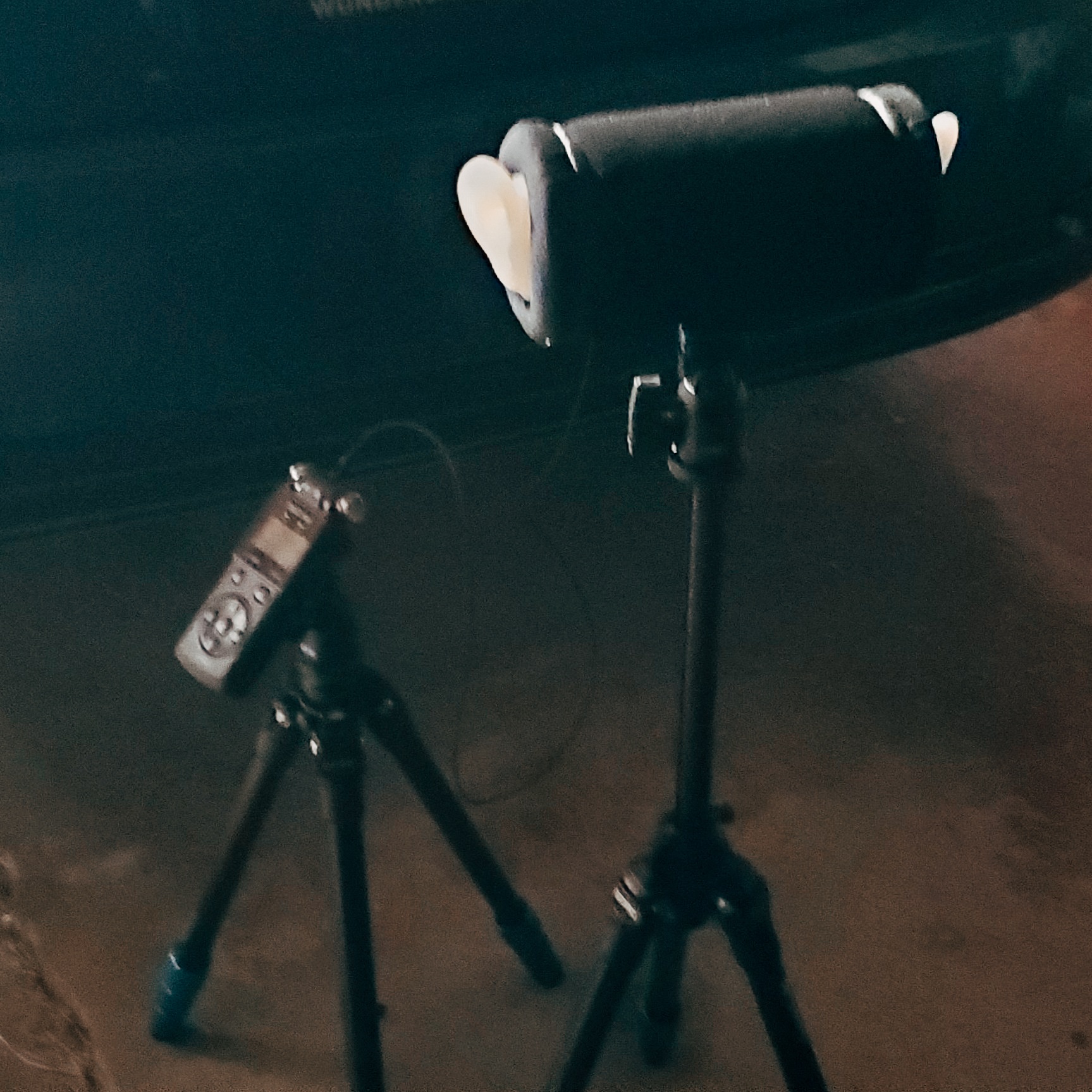
It is easy to both over- and under-process field recordings. Each has drawbacks, and a skilled recordist balances both while keeping the sound realistic and taking inspiration from others, but never copying. Last Updated: 29-September-2026
-

Each individual approaches the art of mastering music in their own unique way, influenced by their personal experiences, preferences, and the genres they are passionate about. I thought it might be beneficial to share my process in hopes of inspiring some ideas for others who are on a similar journey. This post serves as a…
-

I like Biosphere’s (Geir Jenssen’s) music very much and one of my favorite albums is Shenzhou. The album is made up of repeated looping of Debussy orchestral track samples. The title song is particularly interesting to me as I like the depth and width of the sound. I was able to figure out how to…
-
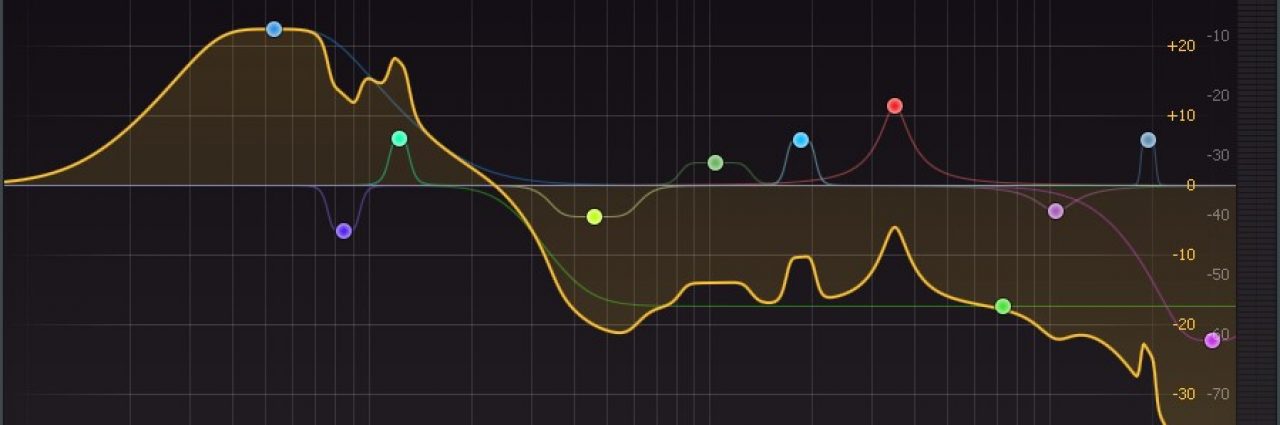
Using a reference track when mastering is a kind of standard practice, but it can be done much better with the wonderful EQ matching functions found on so many equalizer plugins. Here’s what I’ve tried and how it’s worked out for me. Last updated: 10-July-2023
-

It may seem strange to want background noise in a recording, but it gives it a certain realism as opposed to the cleanliness of a digitally-mastered DAW creation. I like the sound I hear in the background of Susumu Yokota’s Saku from his Sakura album, so I was able to replicate it using common pink…
-

For the aspiring tape loopers out there, I’m sure I speak for us all when I say that we’d all like to have the time to play around with splicing tape into loops and recording through a four-track. But when this is not possible, here’s an easy alternative right in your DAW.
-
Simulating a Real-World Piano After having been to Budapest and found an 1896 C. Bechstein piano in the lobby of The Continental Hotel, I’ve learned much more about how I can make the same sound of it or any other piano within Pianoteq or via other vst instruments and effects. But, in fact, I aim…